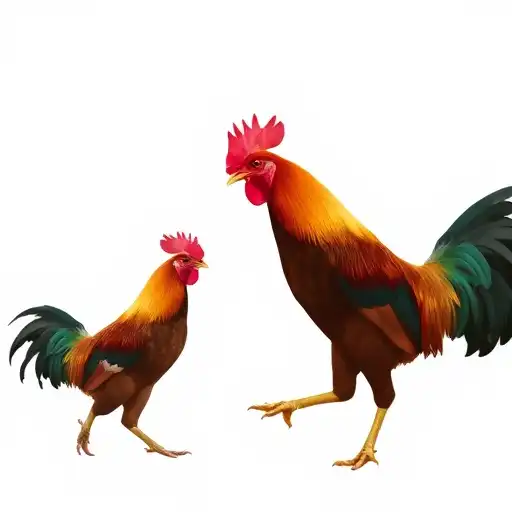
Rinha de Galos: Understanding the Complex Tradition
The practice of Rinha de Galos, commonly known as cockfighting, has long been a controversial topic around the world. Particularly in Brazil, where the keyword 56755 might hint at specific legal stipulations or identifiers, this tradition has played a significant role in both cultural aspects and ethical debates. To truly understand the intricacies of this activity, one must delve into its history, cultural significance, and the ongoing legal and ethical challenges it faces today.52 bet
Historical Background
Cockfighting has a rich history that dates back thousands of years, with evidence of its existence in ancient civilizations such as Rome, Greece, and Egypt. In Brazil, the tradition was introduced through European colonization, particularly the Spanish and Portuguese. Over time, it evolved into a popular pastime among the rural and urban communities alike.7359.com
The historical roots of Rinha de Galos reveal a complex intertwining of tradition and sport. Initially, it was not only a form of entertainment but also a social event where communities gathered, shared stories, and placed bets on the outcomes. Through the years, this practice has been seen as a rite of passage for some and a form of community bonding for others.Q89.COM
Cultural Significance
The cultural impact of Rinha de Galos in Brazil cannot be understated. For many, it's more than just a sport; it's a tradition that carries significant cultural weight. In some communities, it symbolizes bravery, skill, and strategy, reflecting the values and identity of those who participate and spectate.
It is also worth noting that certain traditional festivals and events in Brazil integrate cockfighting as a collective cultural expression. These events, often accompanied by music, dance, and culinary traditions, highlight the societal role that Rinha de Galos has played for generations. Despite criticism, many participants and fans argue that it represents a cherished cultural legacy that should be preserved.
Legal and Ethical Issues
The legal landscape surrounding Rinha de Galos has been contentious, with discussions focusing on animal rights and welfare. The keyword 56755 may be relevant in terms of specific legal codes or statutes that govern the practice within Brazil.sss 55
In recent decades, animal rights activists have campaigned tirelessly against cockfighting, labeling it as cruel and inhumane. As a result, many countries, including parts of Brazil, have enacted laws that prohibit or heavily regulate the practice. These regulations often result in heated debates over tradition versus animal welfare, where ethical considerations clash with cultural preservation.KK123.COM
Supporters of the ban argue that cockfighting is inherently violent and causes unnecessary suffering to animals, calling for stricter enforcement of existing animal welfare laws. Meanwhile, advocates for the tradition emphasize its deep-rooted cultural importance and challenge the external imposition of ethical standards.
Societal Impact
The societal implications of Rinha de Galos extend beyond ethical debates, influencing areas such as economy, social structures, and community dynamics. In some regions, particularly rural areas, cockfighting remains an economic activity that supports livelihoods through related services and industries, including breeding, training, and betting.
Moreover, the practice fosters a sense of camaraderie and identity among its enthusiasts, creating social bonds that are integral to the community fabric. Whether for economic livelihoods or social cohesion, the impact of Rinha de Galos resonates deeply within certain demographic sectors.
However, the division between supporters and detractors often mirrors larger societal tensions regarding modernity and tradition, as well as global trends versus local customs. The push and pull between conservation and reform places Rinha de Galos at the heart of broader discussions about cultural authenticity and change.
Conclusion
While exploring the multifaceted nature of Rinha de Galos, one must consider its historical roots, cultural significance, legal controversies, and societal impact. The practice remains a polarizing subject, encapsulating the ongoing dialogue between tradition and change in an evolving society.
Ultimately, understanding the complexities of Rinha de Galos requires nuanced consideration of its place within the tapestry of Brazilian culture and identity. Whether viewed as a sport, tradition, or contested activity, it undeniably occupies a unique space in cultural discussions.